
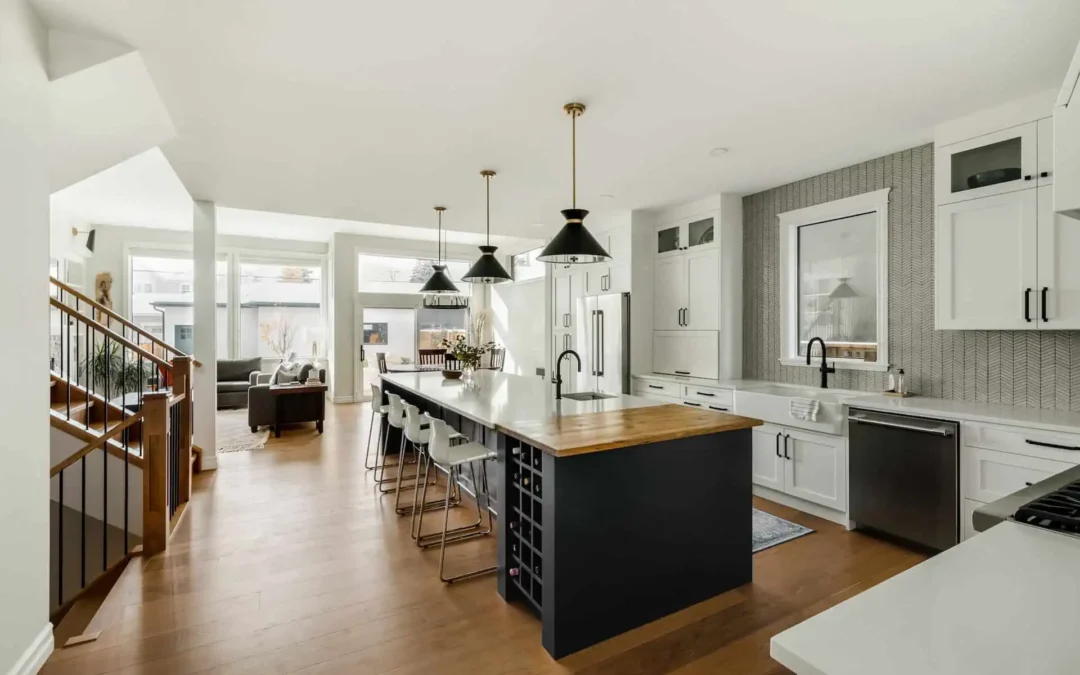
What should a home feel like? The answer to that question may not be the same for everyone, but it often comes down to feeling like a seamless journey. That’s why room flow is so important.
Room flow is how custom home and interior designers ensure that every space feels connected, while maintaining each room’s unique purpose and charm.
When we consider multi-functional spaces in homes, the flow of a room can make all the difference.
What Is Room Flow?
Room flow is the invisible thread that ties your home together. It isn’t just about how you move from one space to another physically or visually; it’s both, and having the right room flow helps a home feel cohesive, intuitive, and inviting.
One common misconception is that room flow is exclusively about avoiding obstacles, but that is a misreading of the idea. Good room flow will draw your eye to certain features, evoke a specific response as you spend time in one space, and then transition into another.
Visually, this involves the use of sightlines, colour, and textures that create a visual dialogue, tying your home together and enhancing the flow of a room and your overall house.
Why Does Room Flow Matter in Interior Design?
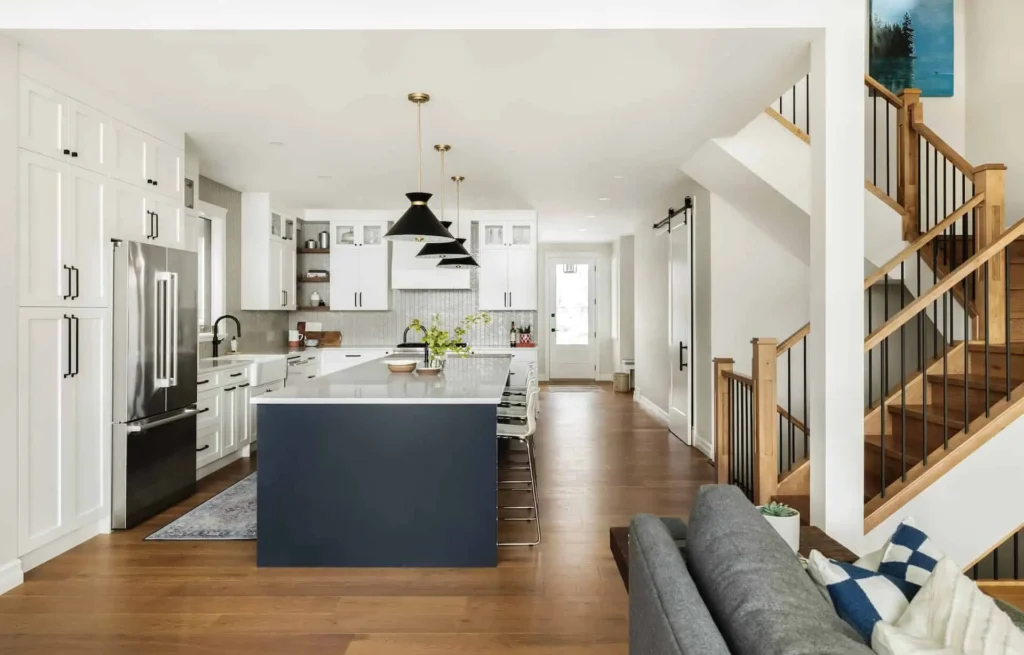
Room flow matters because it directly impacts how you experience a home. Having a good flow in your home allows us to experience the spaces we’re in without constantly thinking about why something feels out of sync. Even the most beautiful interiors can feel disjointed or overwhelming when we don’t consider the flow of a room or a home.
This is true for a number of reasons:
- When well designed, the flow of a room makes that space feel larger, more functional, and more harmonious
- Good room flow reduces stress by eliminating bottlenecks and confusion
- Getting room flow right enhances the overall enjoyment of living in and interacting with a space
Where Does Room Flow Come in During Our Interior Design Process?
There from the Start
Room flow is not just an afterthought; it’s a foundational consideration when designing a home and is part of Ellergodt Design’s process from the very earliest stages of custom home design.
Careful Analysis & Layering
It starts with analyzing not just the floor plan, but how clients live and where natural pathways might fit. Then, we layer in design elements like furniture layout, sightlines, and material choices to ensure every design decision supports the desired room flow.
Understanding how a client will use the space ensures the flow of the room or home makes sense for their everyday lives and the things they find important.
Room Flow in Open Concept Design vs. Defined Spaces
Open concept designs naturally have fewer obstacles between different areas of your home, but that doesn’t automatically mean they have better room flow. Open concept homes can lack intimacy, even if they are great for maximizing room flow and fostering connections between different areas of the home.
When it comes to the flow of a room or a home, there are specific elements that can be included in both open concept designs and custom homes that lean towards more defined spaces:
Open Layouts
For open layouts, the team at Ellergodt Design uses area rugs, lighting, furniture placement, and subtle shifts in ceiling height to define different spaces in a home without sacrificing room flow.
Defined Spaces
In defined spaces, ensuring that doorways and transitions are thoughtfully placed helps maintain continuity and encourages us to move through the space.
Floor Plan Pitfalls That Kill Room Flow
There are, of course, ways of designing a home that will ensure room flow that doesn’t work. They include:
- Narrow doorways or hallways that create bottlenecks and block movement
- Having clear and comfortable walking paths is important, so avoid heavy furniture that gets in the way
- Walls that cut off natural sightlines and intuitive access to other areas of a home can stifle room flow
- The flow of a room or a home should follow how people would naturally move through a space in their day-to-day lives. The goal is to avoid having people in your home taking awkward or unnatural routes from one space to another.
How We Design Interiors That Feel Connected
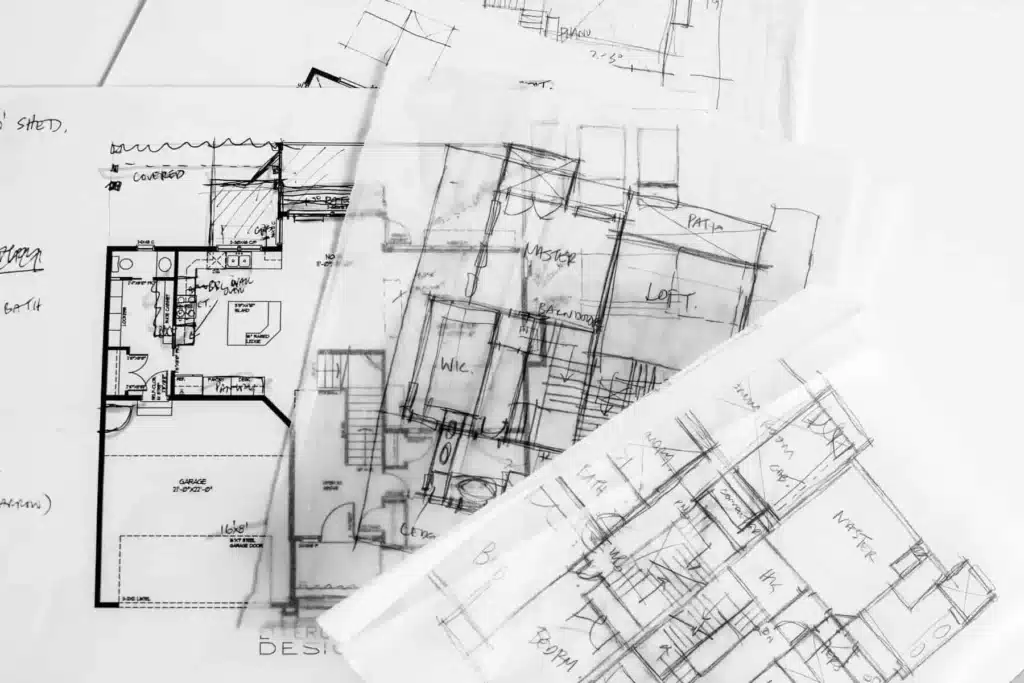
Using Sightlines, Layout & Lighting
A big part of room flow is the way we perceive a space visually, so custom home designers use sightlines to orient our clients in their space. Providing touchpoints as they move through their home toward a destination that is a natural end of a sightline.
- Sightlines can also highlight key features within a space, and arranging furniture creates clear views from one room through the next
- Lighting can highlight focal points and guide movement
- Strategically placed windows at the end of a corridor can draw you into the next room
Colour, Texture & Material
Consistency can create a sense of continuity, whether that’s with colour palettes or the materials used.
- A neutral base with pops of accent colours that are repeated throughout the whole home can provide room flow by making everything feel tied together.
- Textures, like a wood floor that flows from the kitchen to the living room, can add warmth and cohesion to the flow of a room.
- Conversely, a change in texture or material creates a sense of gentle transition from one area to the next.
Designing Transitions
The areas where one room transitions to the next, like a hallway, shouldn’t be seen as a barrier between two spaces or leftover space in a home. Instead, they should be seen as opportunities to create room flow and can make an entire home feel more cohesive.
- Design hallways to be more than just passageways. They’re integral parts of a home and can enhance the room flow and the journey through the home.
- Your entryway is where you give off a first impression of your home. It should be warm, welcoming, and reflective of the design style within. At Ellergodt Design, our team of designers likes to think of the entryway as a preview of the design story that lies inside. It should be inviting and intriguing.
- The points where one room meets another are where room flow is made or broken. These thresholds should feel like natural pauses in the design, not hard stops.
Bedroom Retreats That Feel Like Part of the Whole Home
A bedroom is a sanctuary. A private space where you can spend time on your own. That doesn’t mean they should feel isolated, though.
Using flooring, colour schemes, and other decorative elements, we can create room flow by tying bedrooms to the rest of the house. A shared accent colour or artwork style can create a subtle connection to the rest of your home without sacrificing privacy.
Vertical Flow Between Floors
In multi-level homes, room flow isn’t just horizontal. It’s vertical, too.
Each floor can have its own character, yet remain part of the whole by incorporating a cohesive and intuitive home design, creating a journey through the home where moving from one floor to the next feels natural, inviting, and thoughtful.
- Open railings, consistent flooring, or a statement staircase can create visual continuity and enhance the connectivity of these spaces.
- Repeat specific finishes across floors and ensure the layout on each level feels intuitive and connected. For example, consistent flooring creates visual lines that draw the eye upward, connecting the floors.
- Repeat materials and colours throughout your home. Repetitions create a sense of unity in multi-level homes and a subtle thread that ties everything together.
Rooms That Flow with Your Life
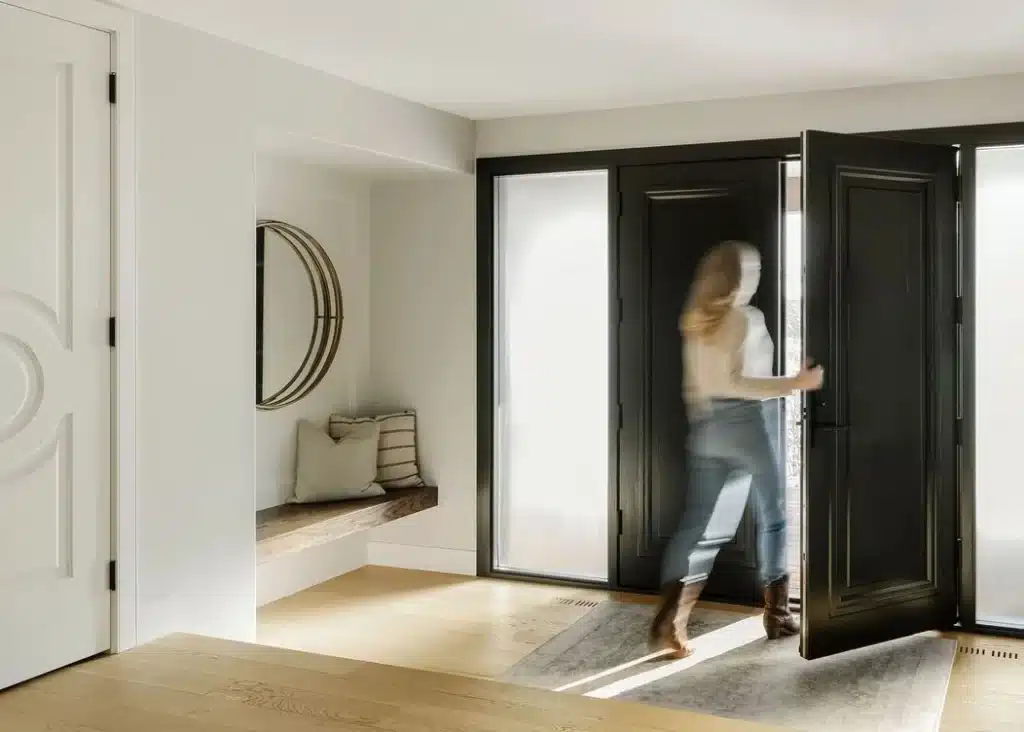
Designing for room flow is about creating a home that moves with a client’s everyday life. At Ellergodt Design, we strive to design homes for our clients that support their daily lives and feel like a natural extension of who they are.
The flow of a room isn’t just about aesthetics; it’s about creating spaces that are intuitive, harmonious, and deeply personal. At its core, room flow is about the experience of being in your home.
FAQs About Room Flow
Are open concept designs or defined spaces better for room flow?
The answer to this question depends on your lifestyle and your personal preferences. Open-concept designs are popular these days, but many people prefer defined spaces. Achieving room flow throughout your home is achievable with both styles of home design.
How much do I need to know about what I want in my home before meeting with a custom home designer?
At Ellergodt Design, we regularly meet with clients who have every detail of what they want worked out in our very first meeting, but others who use our Discovery Process to work out the specifics. Having a general idea of what you’d like can be helpful, but don’t be scared off if you don’t.