
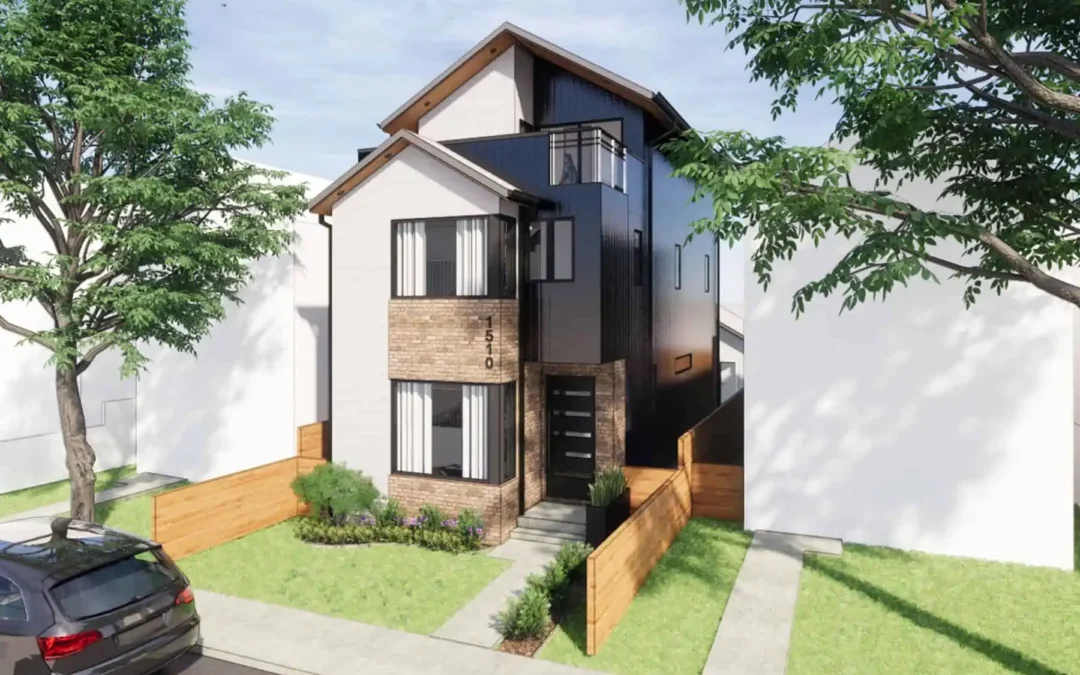
Just because your lot is small, that doesn’t mean the home you build can’t accommodate your needs.
One of the primary goals of small home design is to incorporate elements that maximize the space you have available. That can include anything from open floor plans and adding an extra storey to positioning windows to invite natural light.
Small home design offers opportunities to get creative and prioritize the spaces in your home that you’ll use most.
Here, we’ll walk you through some key considerations for small home design and how you can get a home that feels perfectly sized for your family—even on a smaller lot.
Key Takeaways
- Increase square footage by adding extra floors on small lots.
- Enhance outdoor spaces to feel like extensions of your living area.
- Choose open concept layouts for better flow and natural light.
- Plan for future renovations, like basement development, by including rough-ins.
- Design for privacy by strategically placing living spaces away from busy areas and considering window placements.
What to Consider When Designing a Smaller Home
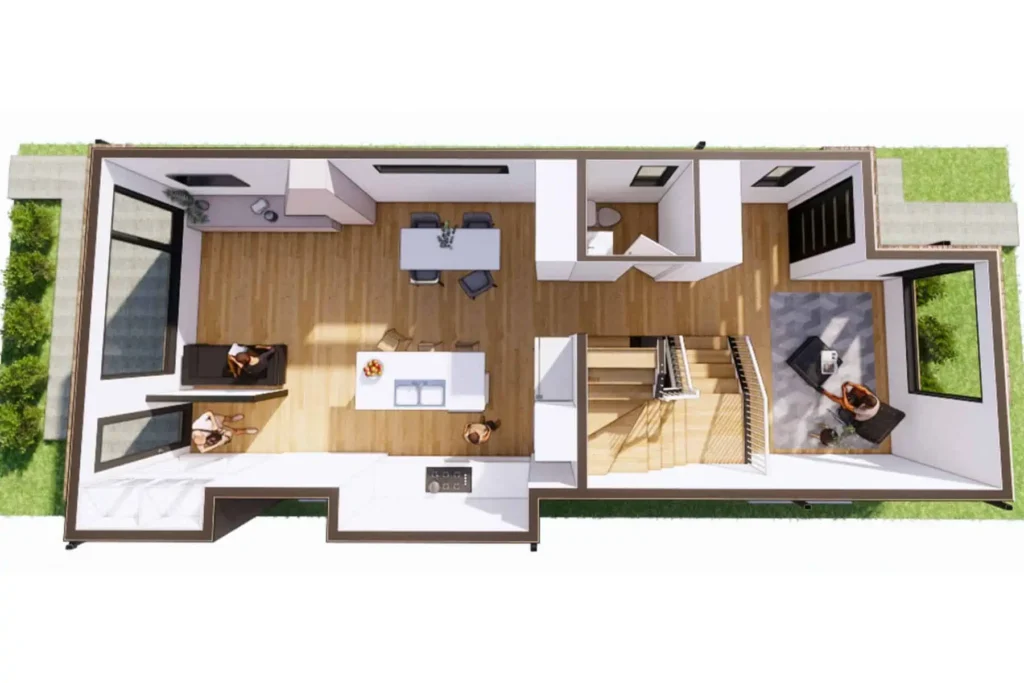
In Calgary, what you can build is dictated by the City’s land-use bylaws. Typically, inner-city lots are smaller than those in the suburbs, and there are setback restrictions, maximum lot coverage in most neighbourhoods, and other rules and regulations.
There are also far fewer restrictions on exterior design in the inner city when compared to the suburbs, so your small home design can be creative and make a property that feels bigger than it actually is while standing out from the crowd.
There are a few factors that will impact what you can get designed and built, though:
- Budget: How much you have to spend on your custom home will impact what is possible. Builders should be included early in the process to provide estimates and guidance.
- Lot coverage: The City of Calgary allows for a maximum lot coverage of 45%, depending on your neighbourhood.
- Parking: The City of Calgary has detailed bylaw requirements for the number of parking stalls required at residential homes, with many requiring at least one parking spot. Ideally, The City wanks parking off the lane.
- Setbacks: There are strict rules for front, rear, and side setbacks on every property.
How to Make the Most of Your Space With Small Home Design
Increasing Square Footage
A small custom home design may only be able to cover 45% of your total lot, but if you’re looking to add square footage, you can add floors to your home. A lot with a 50-foot width may be able to accommodate a bungalow, but when you get smaller than that, most homeowners will typically look at a two-story or three-story home.
In Calgary, bylaws allow a maximum building height of 12.0 metres above grade, so there are opportunities to increase the square footage of your home by building up instead of out. Even on small lots, adding extra stories to your home can ensure you have all the space you and your family need. Please check the current bylaws as they change regularly.
Using Outdoor Spaces
How can you make your outdoor spaces livable? How can you design your frontyard or backyard so that they feel like extensions of your living space? Keeping questions like these in mind while you’re designing a home on a small lot can transform your home and make your outdoor spaces feel like little sanctuaries right in the middle of the big city.
Large windows, sliding doors, and private patios or verandas can seamlessly connect your outside areas with the spaces inside your home. That, in turn, ensures you’re using your entire property and makes it feel substantially larger than the physical house itself.
Lean Towards Open Concept
Many homeowners debate whether to go with an open-concept layout or one with more defined spaces, but in small home design, there’s almost always only one right answer. Open-concept layouts remove barriers between rooms and create a flow between areas of your home. They also spread out natural light and quite literally give you more square footage by removing walls that take up space.
Certain areas of your home, like bedrooms and bathrooms, will always require walls, but many spaces can be opened up and connected to create large, livable areas where you and your family can live and interact.
Plan for the Future
Developing your basement can be a great way to add livable square footage to your home, but even if you decide against doing it immediately, you can still leave the possibility open in your small home design. Including rough-ins for plumbing or other utilities will save you money if you decide to renovate your basement at some point down the line.
Design for Privacy
When you’re on a smaller lot in the inner city, you may find that your property is close to a busy street, school, or even shops and businesses. This should be taken into consideration in small home design.
If the front of your house is near a busy street, placing the living room and master bedroom towards the back of your home can provide privacy and a little distance from the hustle and bustle outside. Window placement can be important, too, especially if your house is right next to your neighbour. Limiting side windows but making room for them at the front and back of your home will ensure lots of light circulates.
How a Custom Home Designer Can Help You Make the Most of a Smaller Lot
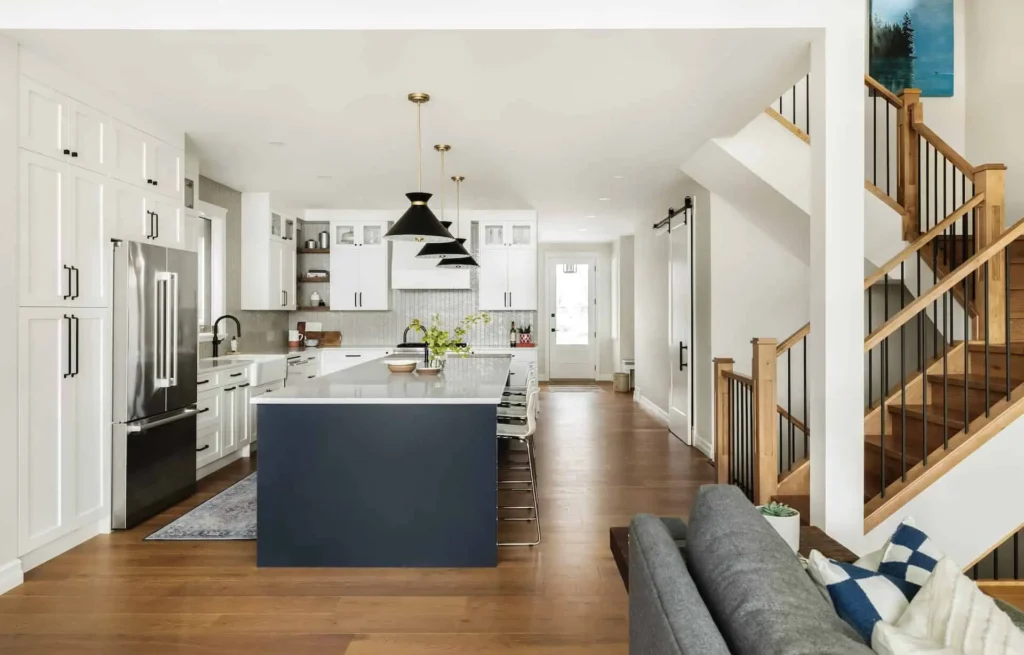
Owning a smaller lot doesn’t mean you have to settle for less. In fact, many homeowners are willing to sacrifice square footage for the convenience and excitement of inner-city living. They still want beautiful, functional homes, and working with a custom home designer ensures the house they build will meet your family’s needs and priorities.
From consulting on what matters most to designing spaces that maximize every square inch of your lot, our custom home designers will help bring your dream home to life, regardless of the size of the lot.
Design a Small Home That Lives Larger Than Its Footprint
A smaller home doesn’t have to feel limiting. With thoughtful planning, smart spatial design, and a deep understanding of Calgary’s zoning and bylaws, it can feel open, functional, and beautifully tailored to the way you live.
At Ellergodt Design, we specialize in turning tight footprints into highly livable homes. Our team works closely with you to maximize every square foot, navigate municipal regulations with confidence, and create a design that feels intentional, comfortable, and surprisingly spacious.
If you’re ready to see the full potential of your property, book a consultation with our team and take the first step toward a home that truly works for you.
FAQ
It’s absolutely vital that everyone involved in the design process understands and follows local rules and bylaws. You’ll need permits to build your home, and it can be costly and time-consuming if you’re rejected. Following bylaws is a hugely important step in how to design a small home.
Home design for a small house isn’t about cookie-cutter solutions. It’s about finding creative solutions to the spacing challenges that a smaller lot can present. Taking advantage of vertical space, connecting indoor and outdoor areas, and open concept layouts can all make a huge difference in home design for small lots.