
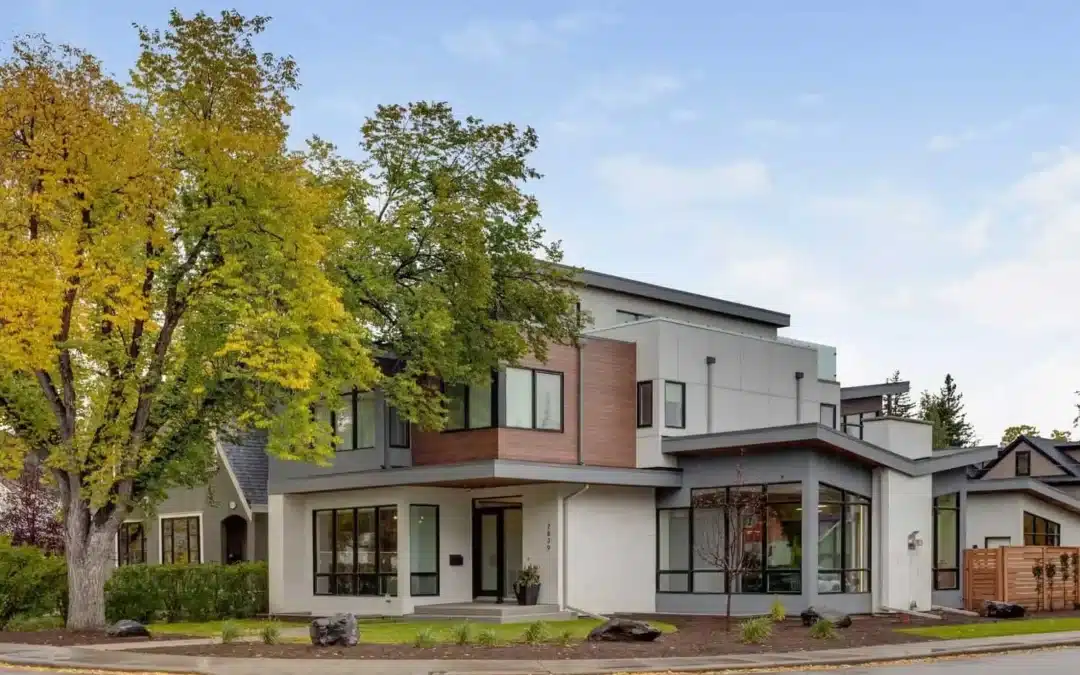
Even if you love your home and the community where you and your family live, there can be times in anyone’s life when they wonder if it might be time to move. Picking up stakes and moving your family to a whole new neighbourhood and home comes with its own risks and challenges, though. Would renovating your current home better serve your needs? What about rebuilding and getting a new house on your property?
There are advantages to each option, and the right solution depends on what matters to you day-to-day, your connection to your community, and what you want out of your home.
Key Takeaways
- Deciding whether to renovate, rebuild, or move depends on both practical needs and emotional ties to a community.
- Renovating or rebuilding can often solve space issues without giving up a neighbourhood you love.
- Community factors like schools, walkability, transit, and amenities play a major role in long-term satisfaction.
- Emotional connections to a neighbourhood are just as important as square footage and layout.
- Moving to a new community involves trade-offs and may solve one problem while creating others.
- Working with a professional home designer helps homeowners evaluate all options before committing to a move.
- Early design conversations can clarify what is possible under Calgary bylaws and zoning rules.
When the Question Isn’t Just About the House
It’s a situation so many homeowners deal with.
Let’s say you moved into a bungalow in inner-city Calgary 10 years ago. It was perfect. Close to restaurants, easy to get to work, and the right amount of space for you and your partner. A decade later, though, life’s changed. You have kids who are growing every day and needing their own spaces. Being close to good schools and community centres is now much more important than being close to bars and restaurants.
So what do you do? You love your neighbourhood, but you know that you need more space. What options do you have?
- Renovating your home can create more space on your property, whether it’s through adding extra bedrooms, a second storey, or creating living spaces in the basement where kids can have their bedrooms and hang out with friends
- Moving to the suburbs, where properties are generally larger means you’ll get more space, but it can be a big lifestyle change
- Rebuilding a custom home allows you to build a house that fits your needs today and into the future, but it can be more expensive and takes time
- Making the best with what you’ve got may not be ideal, but for some Calgarians, staying in the community they love is worth putting up with the inconveniences of a home that doesn’t quite meet their needs
What “The Right Community” Actually Means
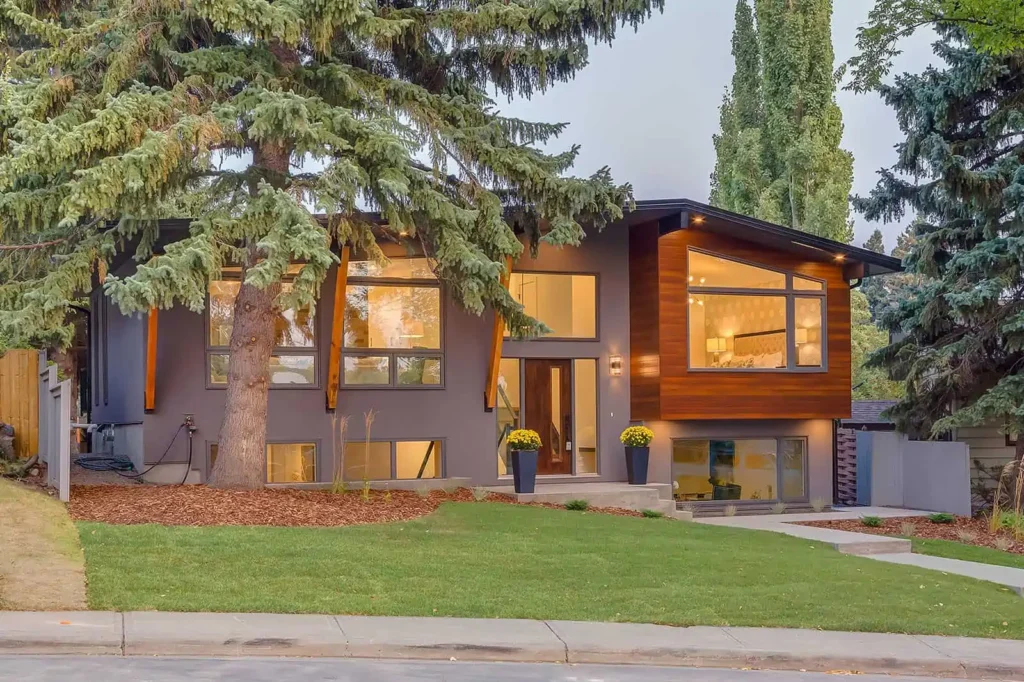
The word “community” means different things to different people. Finding a neighbourhood or community that feels like home is about more than the square footage of your house or the price you pay, and when you find a community you love, it can be hard to give up.
What makes a community feel right to a person will be an extension of what they value. It won’t be the same for everyone, but it may include:
- Walkability: Can you walk your kids to school, the park, or the shops you visit every day?
- Proximity to downtown or work: If you work downtown, the commute to your office can be oppressively long. Many people value communities that reduce drive time and give them more time with family.
- Schools: You want your kids to attend a great school with the best teachers and extracurricular programs.
- Daily errands: Are there pharmacies and grocery stores nearby? Walking to run errands instead of always driving gets you outside and exercising in your neighbourhood and saves time.
- Access to public transit: Even if you’re not right in the core of the city, is there easy access to public transit to make getting to work easy?
- Parks and pathways: For many families, being close to parks, rivers, and pathways can make up for the smaller yards found in inner-city properties.
Not everyone values everything that’s listed above. Even within the same household, two partners may prioritize them differently, which can make it difficult to balance moving vs. renovating or rebuilding. Does the convenience of a community outweigh the need for more personal space?
Finding the right community is deeply personal, and there’s no one-size-fits-all answer to what is best.
Practical vs. Emotional Priorities (& Why Both Are Valid)
Deciding where to live can be a balancing act between the practical realities you need from your home and your emotional priorities. You might love living in a community that’s close to downtown and having friends and family nearby. Those are emotional priorities. Your growing family could use more space, though. That’s the practical side.
How do you weigh the emotional and the practical? Both matter and deserve to be considered and discussed when you’re making a decision between moving to a new community, renovating your home, or designing a custom home and rebuilding on your property.
Practical Needs
In your day-to-day life, there are practical considerations that make a huge difference in your life. Things that matter profoundly to how your everyday routines play out. They can include:
- Good schools nearby
- Easy access to grocery stores, whether that’s walking distance or a quick drive
- Your commute to work, whether you drive, walk, or bike
- The logistics of having kids, from nearby hockey rinks to community centres to libraries
Emotional or Long-Term Considerations
It’s natural for homeowners to feel a deep connection not only to their home but to their community. In fact, that emotional connection can be a driving force for many buyers as they make purchasing decisions, and is almost always a factor when anyone is considering whether to move.
Those emotional connections matter and should be considered seriously. So, too, should the long-term value of your home. Some considerations include:
- The character of your neighbourhood and how it fits your lifestyle
- Whether your neighbourhood is desirable and your home’s value will appreciate over time
- If where you live truly feels like home
- The potential for custom home design and whether a newly-built, well-designed house will increase resale value.
Learning to Appreciate a Community Over Time
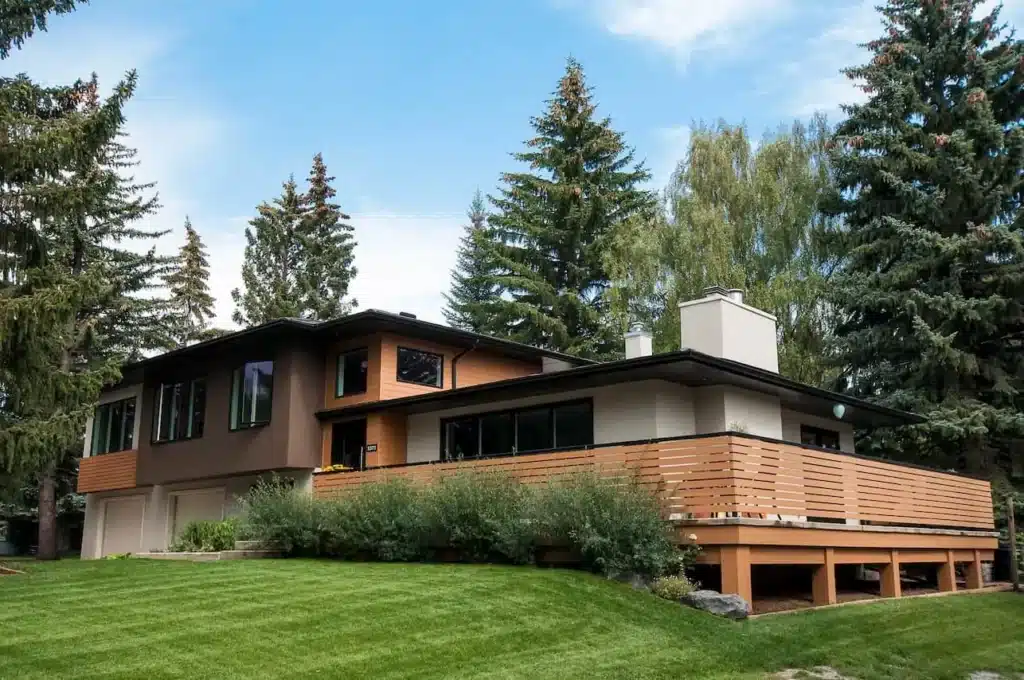
Moving to a new community can be daunting, especially if you’re comfortable in the neighbourhood where you were already living and feel a deep connection to that area of the city.
Will you be able to develop a similar feeling in a new community? That’s an important question to ask, but it’s important to remember that communities can grow on you over time. Many of us carry preconceived ideas about certain parts of Calgary, so it can be helpful to try to set those to the side and think about what your family’s life will look like in your new home and community.
It’s important to remember that no community is perfect and there will be trade-offs—both negative and positive—that come with moving somewhere new and unfamiliar. That’s also true of staying in the community you call home, though. What are you putting up with or tolerating because it feels comfortable? How could a new community improve your daily routines?
What makes you love your current community? Is there anything similar in a new neighbourhood? Look at:
- Parks and pathways
- Amenities like grocery stores, shopping malls, and even restaurants that will influence your daily routines
- Community centres, schools, and sports facilities, like arenas, where you might connect with neighbours
Renovate, Move, or Build Somewhere Else?
This brings us back to the original question: When you love your community, but your home isn’t meeting your needs, what should you do? Moving to a new part of the city can be destabilizing emotionally and feel like you’re upending your life.
You do have options, though. Renovating your home or rebuilding a new house on your property can solve many of the challenges you’re facing. So ask yourself:
- Is the house the problem, or is it the location?
- Can thoughtful design solve your space issues?
- Would moving solve one problem but create another?
If the answer to any of those questions is yes, speak with custom home designers before you begin searching for a new house in an unfamiliar community. Our team can walk you through the process of renovating your home and, if desired, building a new one, helping you consider all your options.
Building a new home or starting a major renovation is a big decision, and local bylaws can affect what is possible. Our team will help you understand what’s possible and think through the options, but also serve as neutral guides as you navigate a major decision. They won’t push renovation at all costs, allowing you instead to make an informed decision about what’s best for your family.
How Design Helps Clarify the Decision
When you’re considering whether to move to a new community or renovate your current home, speaking to a home designer early allows you to fully understand the options that are available to you. It can reveal the possibilities and clarify whether you can create the space you need on your current property.
When you meet with a custom home designer, there are no commitments to build, but you can get answers to a couple of key questions so that you can make an informed decision on your best path forward:
- What would a renovated home look like on the property?
- What do Calgary bylaws allow?
- Can extra height be added to your home?
- Can the basement be renovated?
- What would a new home look like on your lot?
When the Answer Isn’t Just “Move or Stay”
Sometimes the issue isn’t where you live, but how your home functions within a place you already love.
Speaking with a custom home designer early can help you understand what’s possible on your current property and whether thoughtful design can solve your space challenges before you consider uprooting your family.
Book a consultation to explore your options and make the decision that’s right for your family.
FAQ: Renovating, Rebuilding, or Moving in Calgary
If you love your community but need more space or better functionality, renovating or rebuilding may be a better option than moving. A home designer can help assess what’s possible on your property.
Not always. While rebuilding can have higher upfront costs, it allows you to stay in a desirable community and create a home tailored to your needs, which can add long-term value.
Yes. Zoning, height restrictions, setbacks, and lot coverage rules all affect what you can build. A professional designer helps navigate these regulations early.
Absolutely. Feeling connected to your neighbourhood, schools, and daily routines is a major consideration and should be weighed alongside practical needs.
Yes. Meeting with a home designer doesn’t commit you to building or renovating—it helps clarify options so you can make an informed decision.
Well-designed renovations and rebuilds often increase resale value, especially in desirable communities where buyers value location and thoughtful design.