
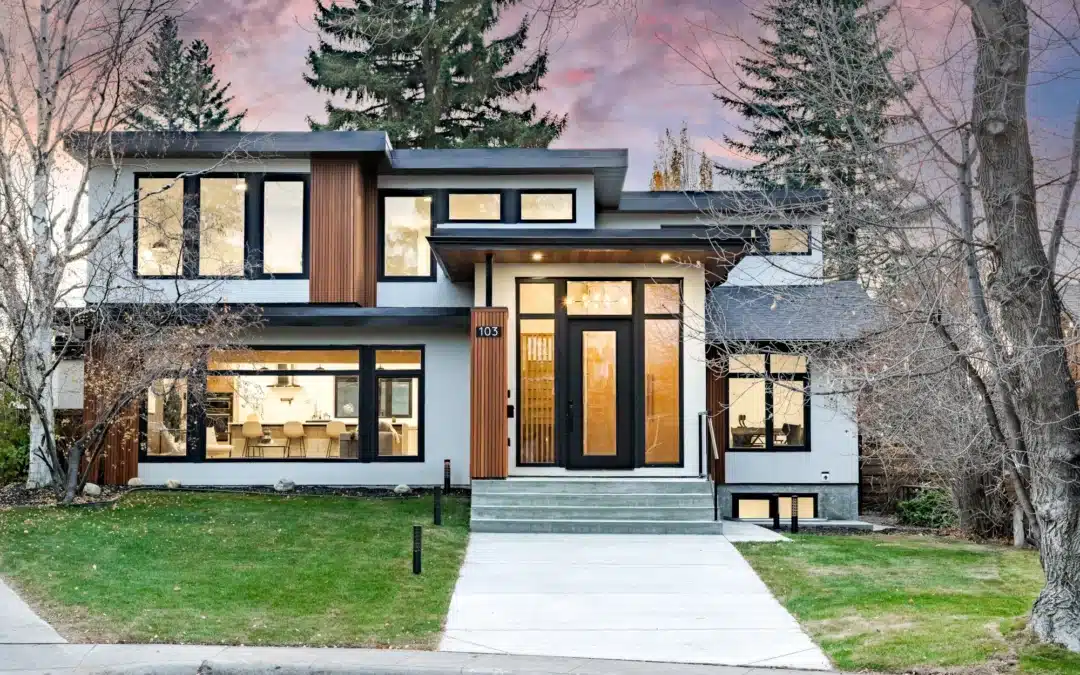
When you live in a city like Calgary, your home is always going to be part of a community. Finding the right community can be richly rewarding, but it can also influence the decisions you make when renovating or building a new home. It’s not just City of Calgary bylaws, either; it’s also about the look and feel of the community around your home and how your house fits in.
The earlier you begin to learn about what’s allowed in your community, the smoother the process of building a new home or starting a renovation project is likely to go.
Key Takeaways
- All properties in Calgary are governed by the City of Calgary’s Land Use Bylaw, which dictates what can be built or renovated.
- Zoning rules affect setbacks, height, lot coverage, secondary suites, and additions.
- Some Calgary communities have heritage guidelines or architectural controls that influence design decisions.
- Understanding community character helps ensure a home fits the neighbourhood visually and functionally.
- Early research into zoning and community context can prevent permit delays and redesigns.
- City tools like the Development Map and MyProperty provide helpful starting information for homeowners.
- Working with a professional home designer early in the process helps navigate bylaws, permits, and community considerations smoothly.
Why Your Community Matters Before You Design Anything
Whether you’re renovating, making an addition to your home, or building a custom home, it’s an exciting decision to make. You can finally get the extra space you need or a home that’s designed specifically to meet your day-to-day needs and preferences.
But your community impacts what you can design in a number of key ways. From local bylaws to heritage rules to architectural guidelines, the community you live in impacts what can be designed and built. Understanding the rules and restrictions as early as possible in the process can prevent delays or your design being rejected.
Things to keep in mind include:
- Zoning bylaws dictate setback requirements, height restrictions, and rules for windows, and they can impact renovations and additions as well as new homes.
- Some communities, like North Hill and Elbow Park, have heritage guidelines to ensure homes respect the neighbourhood’s existing character.
Most people don’t know the ins-and-outs of municipal bylaws. That’s perfectly normal. It’s important, though, to learn what you can about what’s allowed on your property and in your community. Working with a home designer can help, as they are deeply familiar with the rules and regulations and can guide you in the right direction in the earliest stages of the process, helping you avoid delays at the development permit application stage.
Start with Zoning & Property Information
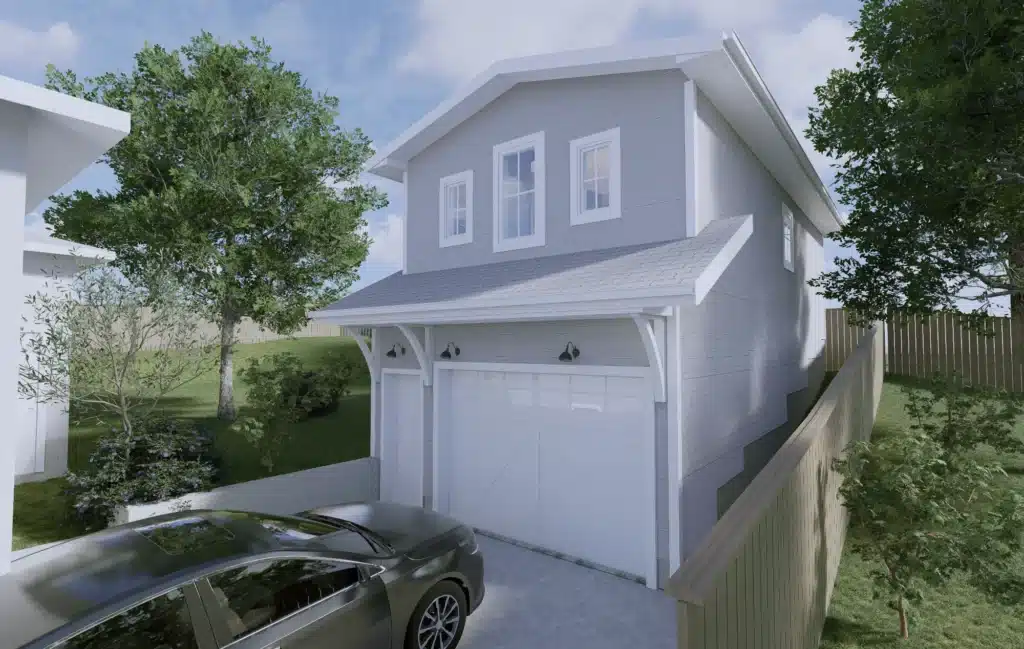
As you begin the process of figuring out what you can build on your property or what sort of renovation is allowed, the best place to start is researching the City of Calgary’s zoning bylaws and how they apply to you.
There are a few basic things to understand as you begin:
- All land in Calgary is divided into districts, also called zones, and each has its own development rules.
- Those rules are listed in the city’s Land Use Bylaw, and they can relate to anything from secondary suite regulations to setback rules to height restrictions.
- Development permits are required for new homes to ensure compliance with land-use bylaws, community planning, and other regulations. They are not required for all renovations, but are needed for any project that falls outside the city’s building permit only rules. See the Bylaws “Exempt Additions”, Section 365 for these additional rules.
That may sound complicated, and it can be worth consulting with a professional about how bylaws affect your property, but there is a lot of information you can get on your own. The City of Calgary offers several useful tools to help homeowners considering a renovation or building a new home. They include:
- The City of Calgary Development Map, which allows you to enter your address and get information on your zoning, lot size, overlays, and basic rules.
- MyProperty, which provides land-use information, links to the City of Calgary’s planning policies and a history of development permits dating back 3 years.
- Calling the City of Calgary Planning Department (403-268-5311) can be helpful if you have questions.
These tools are user-friendly and provide basic information that can serve as a starting point as you consider renovating or building a new home. They don’t tell you everything, but they give you enough information to set you on the right track and ask the right questions.
Understand the Character of Your Community
Whether you’re building a new home on your property or considering an addition or renovation, it is still worthwhile to consider your neighbours and your community. That’s just being considerate. Your home is part of a streetscape and a neighbourhood, and disrupting that can damage relationships and impact the people who live near you negatively.
When it comes to development permits, the City of Calgary does place an emphasis on public engagement and even provides a community outreach kit to help. While the approval of neighbours for your project isn’t required, building a home that fits with the character and personality of your community can be important. It can also be vital for additions, new builds, and renovations that require visible changes to the exterior of a home.
As you think about what sort of renovation or new home you’d like, be sure to also consider:
- The typical size and style of the homes in your community. Will your project be disruptive? How will it affect your neighbours’ day-to-day lives?
- Setbacks and massing. The City of Calgary has setback requirements and limits lot coverage to 45% in most communities. It can be beneficial to ensure your home fits the visual aesthetic of your street or neighbourhood, as well.
- Architectural styles. Does your home have a completely different architectural style from all the other houses in your area? That can be unappealing, so it’s important to think about how your home relates to the street, alley, and neighbourhood you’re in.
Why Community Context Affects Design (Even If You’re Not a Developer)
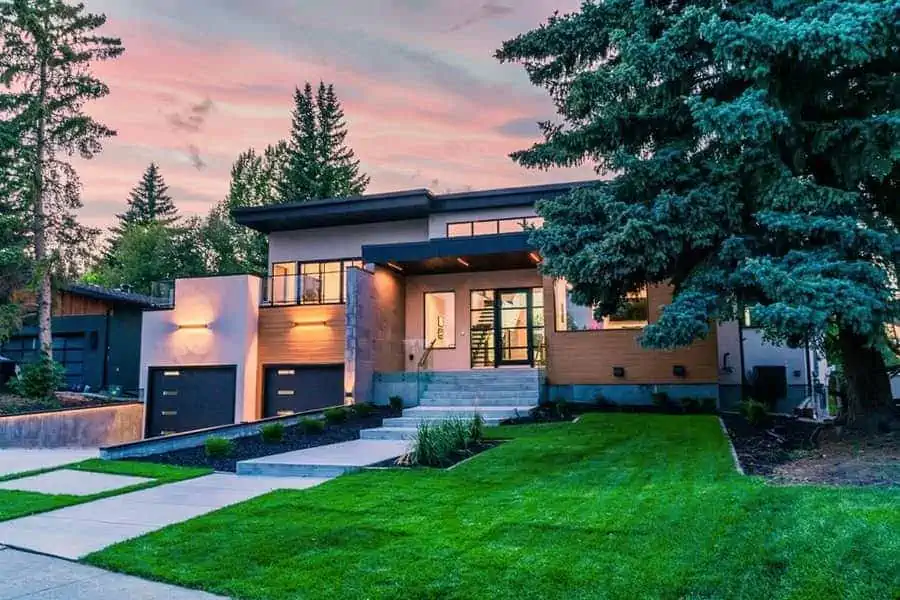
Your home doesn’t exist in isolation. It fits into a street, a neighbourhood, and a community. That context matters, both from a City of Calgary bylaw perspective and the way a home design fits long-term. Not every house in a community needs or should look exactly the same, but keeping the context of your community in mind as you design a home or consider a renovation or addition can be beneficial and impact:
- How smoothly permit approvals go
- What the city supports
- How a design fits in a community long-term
We’ve all seen houses built in communities where they just don’t fit. The home itself may be beautiful, but if it sticks out like a sore thumb and looks out of place, that detracts from its context.
As examples, think about:
- Large, oversized additions in modest communities
- Ultra-modern designs in areas full of heritage homes
- Houses that fill much more of their lots than the homes around them
Why Considering Your Community Leads to a Better Home
Your community is where you live, and “home” doesn’t always end at your front door. Designing a home that considers the community that surrounds it is not only thoughtful, but it can also lead to a house that truly feels like it fits.
As you think about building a new home, renovating, or adding a new addition to your house, the earlier you take steps to understand your community, the better. That doesn’t mean you need all the answers, though, and speaking with a custom home designer like the team at Ellergodt Design can help you understand bylaws, development permits, and community considerations.
Oftentimes, the earlier design professionals get involved, the smoother the process turns out to be.
Design Starts with Understanding Your Community
A successful renovation or new home doesn’t begin with drawings—it begins with understanding the community around you. Zoning rules, neighbourhood character, and City of Calgary bylaws all play a role in shaping what’s possible and how smoothly your project moves forward.
Working with a professional home designer early can help you navigate these factors, avoid costly delays, and create a home that truly fits its surroundings.
Book a consultation with our team to start designing a home that works for you—and your community.
FAQ: Community & Home Design in Calgary
Yes. If you are looking to build a backyard suite on your property, you will require a development permit and a building permit from the City of Calgary. That’s true for every neighbourhood.
There’s no one-size-fits-all answer to this question. It depends on what each person is looking for. Some people want to live downtown or near the Beltline’s hustle and bustle, while others prefer quieter suburban communities.
The Land Use Bylaw outlines what can be built in each zoning district, including setbacks, height limits, lot coverage, and allowed uses such as secondary or backyard suites.
Yes. Some Calgary neighbourhoods have heritage guidelines or character policies that influence exterior design, massing, and renovations to maintain neighbourhood identity.
Homes don’t need to be identical, but designs that respect the community’s scale, style, and character are more likely to gain approval and age well. We do acknowledge that some of our clients do want to renovate or build a home that does not match their community’s context. We are happy to guide a client in that direction by advising them on what may be going too far, based on our previous years of experience with associations, neighbours and the Planning Dept.
A home designer helps interpret bylaws, anticipate permit challenges, and design within community constraints—saving time, reducing revisions, and improving outcomes.